
From Human Experience to New Markets: Aimei Helen Yang Explores the New Layer of Space Experience Economy at ISDC 2026
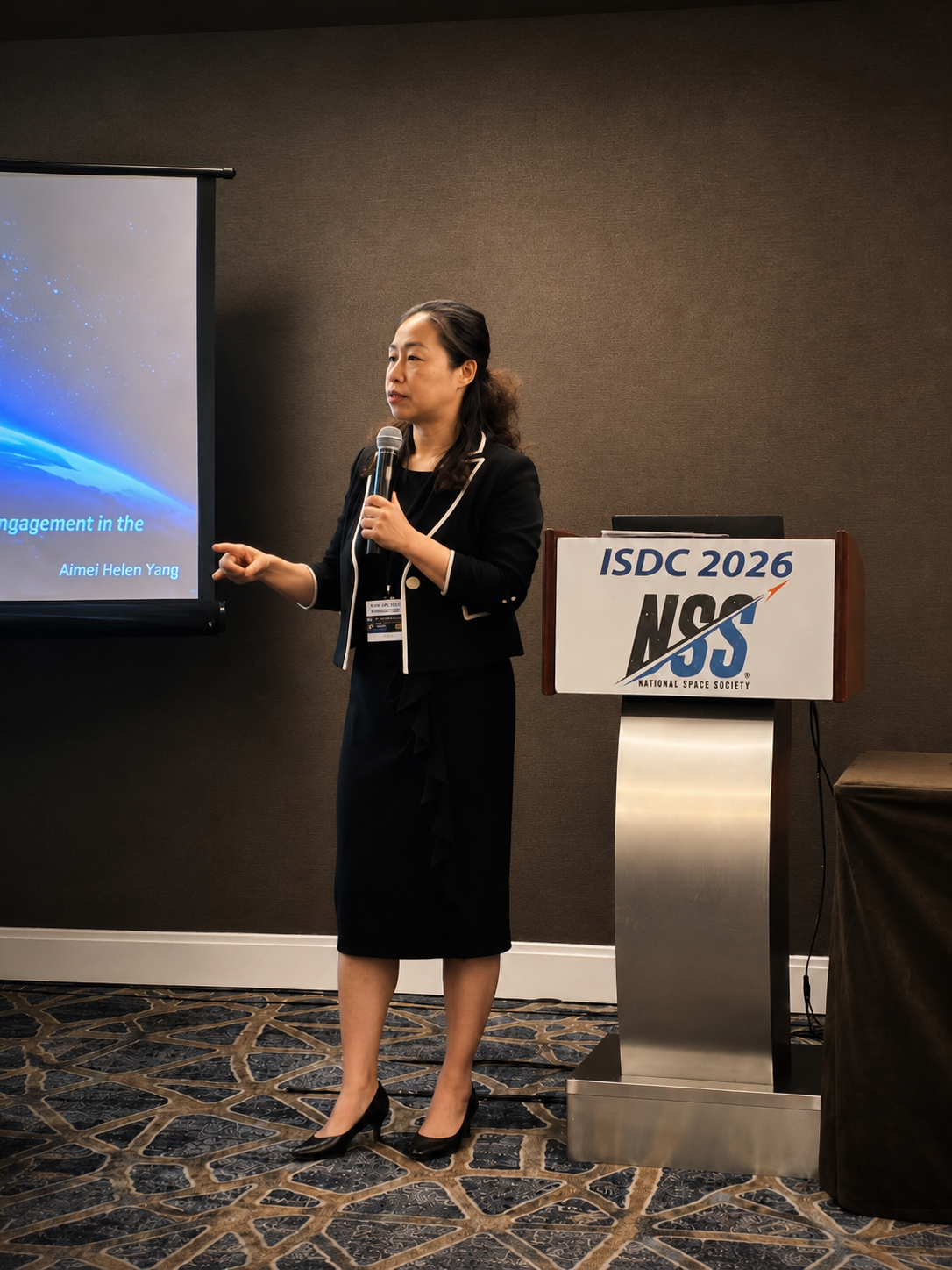
Speaking at ISDC 2026, discussions focused on how human experiences and emerging AI are creating new forms of participation and demand in the New Space Economy.
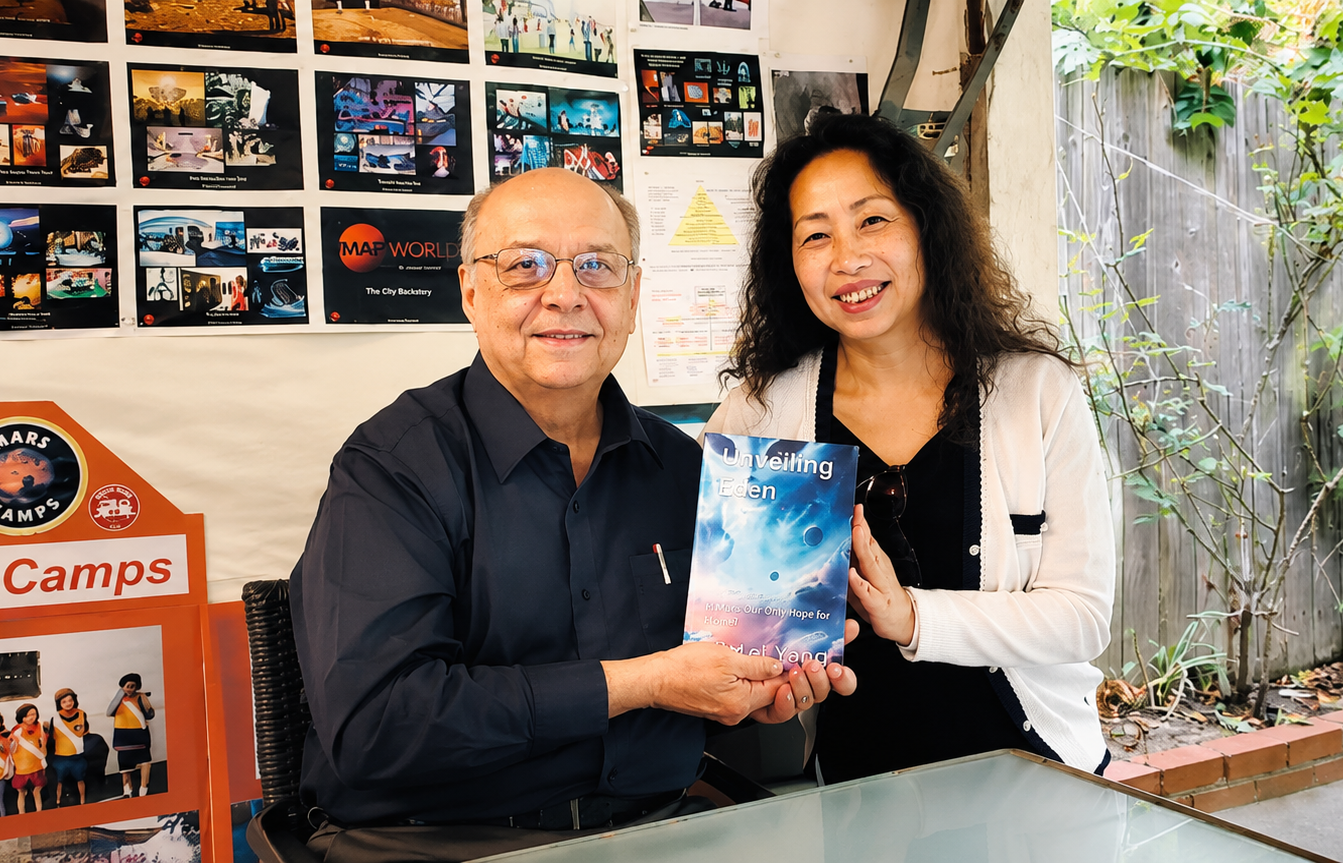
Early exchanges with space tourism pioneer John Spencer, founder of the Space Tourism Society, helped shape ongoing explorations into Space Experience Economy and future consumer participation.
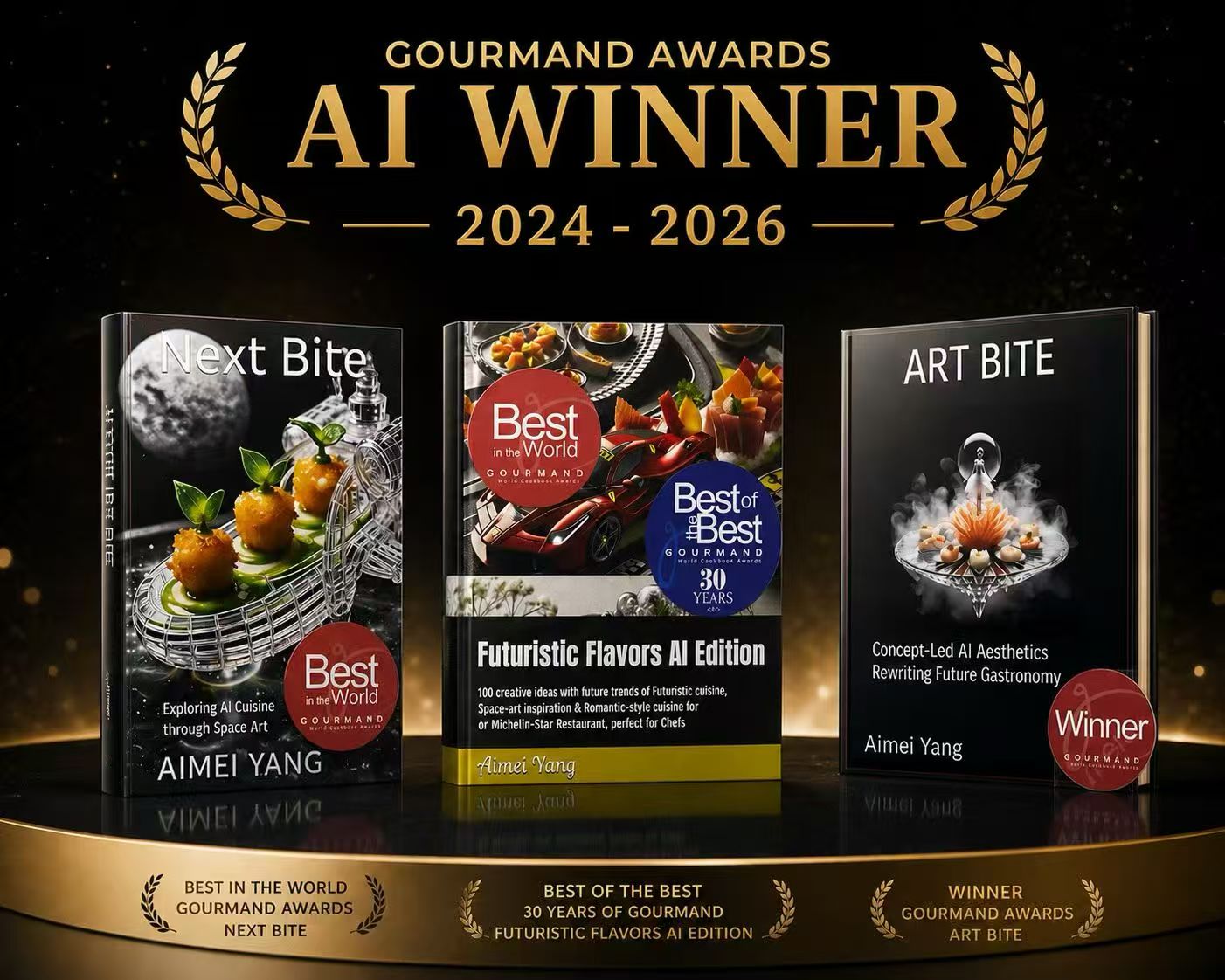
Award-winning concept-led works documenting early experiments in Space Consumer Practice, where technologies, narratives and human experiences converge to create new consumer scenarios and future lifestyles.
Beyond infrastructure, future growth increasingly depends on how AI and human experiences generate demand and create new forms of participation.
Speaking during the AI & Space panel at ISDC 2026, strategic communications leader and three-time Gourmand Award-winning author Aimei Helen Yang suggested that the next phase of growth may depend not only on hardware infrastructure, but also on how entirely new experiences, brands, and emotional connections are created long before ordinary people travel beyond Earth. This raises a critical commercial question: if transportation networks and physical infrastructure are being built today, how will entirely new markets and consumer demand emerge before space travel becomes part of everyday life?
According to McKinsey, the global space economy could reach $1.8 trillion by 2035, while Morgan Stanley estimates the broader sector may eventually exceed $1 trillion. As governments and private companies race to build infrastructure, much of today's attention remains focused on heavy manufacturing and engineering. Beyond logistics, attention is turning toward how experience-driven sectors can actively build a missing demand layer within the New Space Economy to convert public fascination into predictable, terrestrial revenue streams.
Many of these ideas build upon decades of work by pioneers such as John Spencer and the Space Tourism Society. Long before lunar tourism becomes commercially viable, advocates emphasized that humanity's future in space depends not only on technical achievements, but also on culture, lifestyle, and public engagement. In many ways, creating emotional connections with space may prove as important as building the transportation systems themselves.
Rather than viewing this challenge purely through a technical lens, Yang believes an emerging Space Experience Economy represents an important interface between advanced technologies and human experience. Hospitality, education, tourism, storytelling, wellness, memorial spaceflight, and gastronomy may help people imagine, understand, and engage with life beyond Earth long before physical access to space becomes commonplace. It reflects a broader shift toward experience-driven innovation, where culture, narratives, and human connection become important components of the value chain itself.
Building on more than three decades of experience in branding, communications, and consumer behavior across retail, hospitality, and food industries—including senior leadership roles within WPP and Walmart—Yang's strategic interest emerged from practical questions rather than theoretical assumptions. Beginning in 2024, she explored opportunities to introduce space-related experience projects to China, including Mars-themed entertainment concepts and memorial spaceflight services. While working on Brand for Space, Yang realized that before humanity meaningfully lives beyond Earth, people must first find ways to emotionally connect with it.
Over the past five years, these ideas evolved into a series of experiments exploring what Yang describes as Space-Art Cuisine—an attempt to translate space-inspired concepts into sensory experiences through gastronomy, aesthetics, and storytelling. Rather than treating food as the destination, the project investigates whether taste and cultural narratives can serve as early interfaces connecting ordinary people with future space civilization.
These explorations have been documented through her books Brand for Space, Next Bite, Art Bite, and her highly anticipated upcoming work, First Bite, extending earlier ideas into broader discussions surrounding experience-driven innovation. Recognition from the Gourmand World Cookbook Awards and continuing exchanges with its founder Edouard Cointreau have encouraged further dialogue with chefs, designers, and creative communities. In his official comments accompanying Next Bite, Cointreau described the project as "a trailblazing contribution to the future of cuisine," noting its combination of space-inspired aesthetics and cultural perspectives. Later this June, these insights will be shared at the Beijing International Book Fair, where discussions with hospitality professionals and culinary innovators will explore how concept-led systems can inspire new approaches to experiential dining and narrative-driven brand experiences.
"The New Space Economy will ultimately require more than engineering," Yang said. "It will require new experiences, new narratives, and new forms of engagement. Before people travel to space, they may first need to experience it. AI may help connect these worlds, but no single industry or discipline can build this future alone". What she describes as Space Consumer Practice explores how technologies, narratives, and accumulated market experience can converge to create new consumer scenarios and new forms of value creation on Earth today.
Scientists, entrepreneurs, educators, writers, designers, and experience innovators are beginning to recognize that infrastructure alone does not automatically create markets. For Yang, the answer to what happens before people become space travelers lies in how technologies, narratives, and human experiences converge to open new opportunities for experience-driven innovation. In that sense, the next phase of the New Space Economy may begin not with transportation itself, but with new ways of imagining, experiencing, and ultimately living the future.
ABOUT AIMEI HELEN YANG
Yang is a Space Experience Economy innovator and three-time Gourmand Award-winning author exploring the intersection of human experience, emerging technologies, and new space economy. With more than three decades of leadership experience, she has advised global organizations across retail, hospitality, technology, and lifestyle sectors, including executive roles within WPP and Walmart. A graduate of MIT Professional Education's New Space Economy program, Yang is a member of the Science Fiction and Fantasy Writers Association (SFWA), serves on the Advisory Council and Space Settlement Board of the Lifeboat Foundation, and was a featured speaker on the AI & Space track at the International Space Development Conference (ISDC 2026).
Helen Yang
Shanghai Huamei PR Consulting Co. Ltd
+86 135 0185 0749
email us here
Visit us on social media:
LinkedIn
Instagram
Facebook
YouTube
X
Space-Art Cuisine: A Human Interface for Imagining Space
Legal Disclaimer:
EIN Presswire provides this news content "as is" without warranty of any kind. We do not accept any responsibility or liability for the accuracy, content, images, videos, licenses, completeness, legality, or reliability of the information contained in this article. If you have any complaints or copyright issues related to this article, kindly contact the author above.
